
Electrical
Basic Electrical Course | Residential, Commercial & Industrial Electrician Training
Master Fundamental Electrical Skills with Hands-on Practical Training for Construction, Building Maintenance & Industrial Jobs
Course Overview
The Basic Electrical Course is a comprehensive, skill-based training program designed to develop fundamental theoretical and practical knowledge required for residential, commercial, and industrial electrical work. This course prepares students to become professional electricians capable of performing safe electrical installation, wiring, troubleshooting, and maintenance tasks.
Students will learn essential electrical concepts such as voltage, current, resistance, Ohm’s Law, AC/DC systems, along with practical training in house wiring, circuit installation, distribution board setup, earthing, and electrical fault diagnosis. The program focuses on real-world workshop practice using electrical boards, tools, and industry-standard components.
Throughout the course, learners gain hands-on experience in wiring systems, switchboard installation, MCB/RCCB protection devices, motor wiring, and electrical appliance connections, preparing them for employment in construction sites, building maintenance, industrial facilities, and facility management sectors.
After successful completion, students will be fully capable of handling basic electrical installation, repair, and maintenance work safely and efficiently, making them job-ready for both local and overseas job markets where skilled electricians are in high demand.
Module 1: Introduction to Electrical Work
- Electrical trade overview
- Career opportunities
- Safety rules & PPE
- Tools & equipment introduction
Module 2: Basic Electrical Theory
- Voltage, current & resistance
- Ohm’s Law
- AC vs DC fundamentals
- Single & three phase systems
Module 3: Electrical Components & Materials
- Wires & cables types
- Switches, sockets & breakers
- Fuses & MCBs
- Electrical symbols reading
Module 4: Wiring Techniques
- Wire stripping & jointing
- Conduit wiring systems
- Earthing installation
- Color coding standards
Module 5: Residential Wiring Installation
- Room wiring layout
- Light & socket installation
- Ceiling fan wiring
- Kitchen & bathroom wiring safety
Module 6: Distribution Boards & Protection Devices
- MDB components
- MCB & RCCB installation
- Load distribution
- Short circuit protection
Module 7: Common Electrical Appliances
- Fan, light & socket wiring
- Motor connection basics
- Water pump wiring
- Energy-saving techniques
Module 8: Troubleshooting & Maintenance
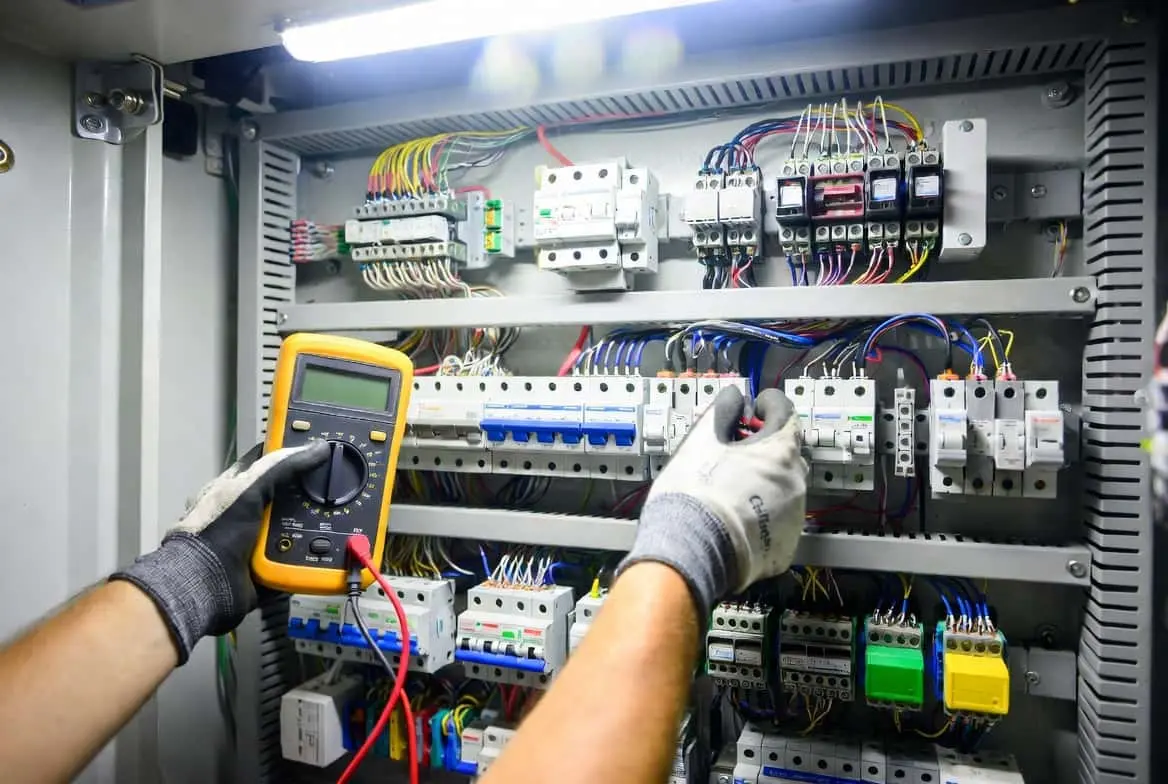
- Multimeter usage
- Fault detection
- Short circuit repair
- Preventive maintenance
Module 9: Practical Workshop Training
- Wiring board practice
- Room wiring simulation
- Industrial tool handling
- Time-based assessment
Module 10: Industry Standards & Safety Codes
- Electrical safety codes
- Site safety rules
- Live system safety
Module 11: Final Assessment & Certification
- Practical skill test
- Theory examination
- Final evaluation
- Certificate distribution ceremony
Meet Your Chief Electrical Instructor

Electrical
Electrical Instructor
Electrical
Electrical Instructor
Information
- Schedule :
Morning & Evening Batches
- Duration :
2–3 Months
- Training Type :
Theory + Practical Workshop
- Eligibility :
Minimum Age 18 Years (Basic Literacy Preferred)
- Course Fee :
Contact for Latest Fee
- Certification :
EuroStar ETTC Certified Basic Electrician
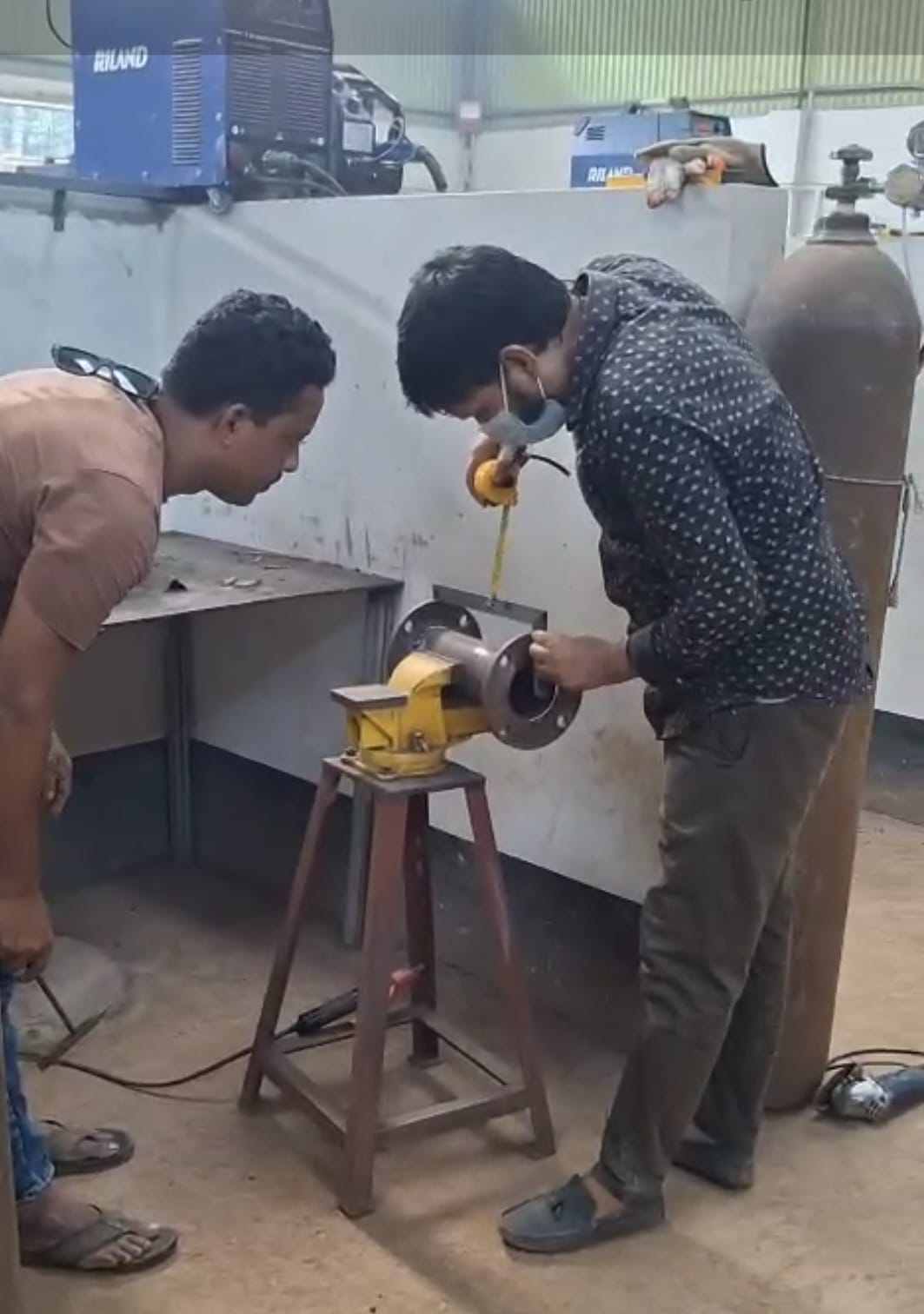
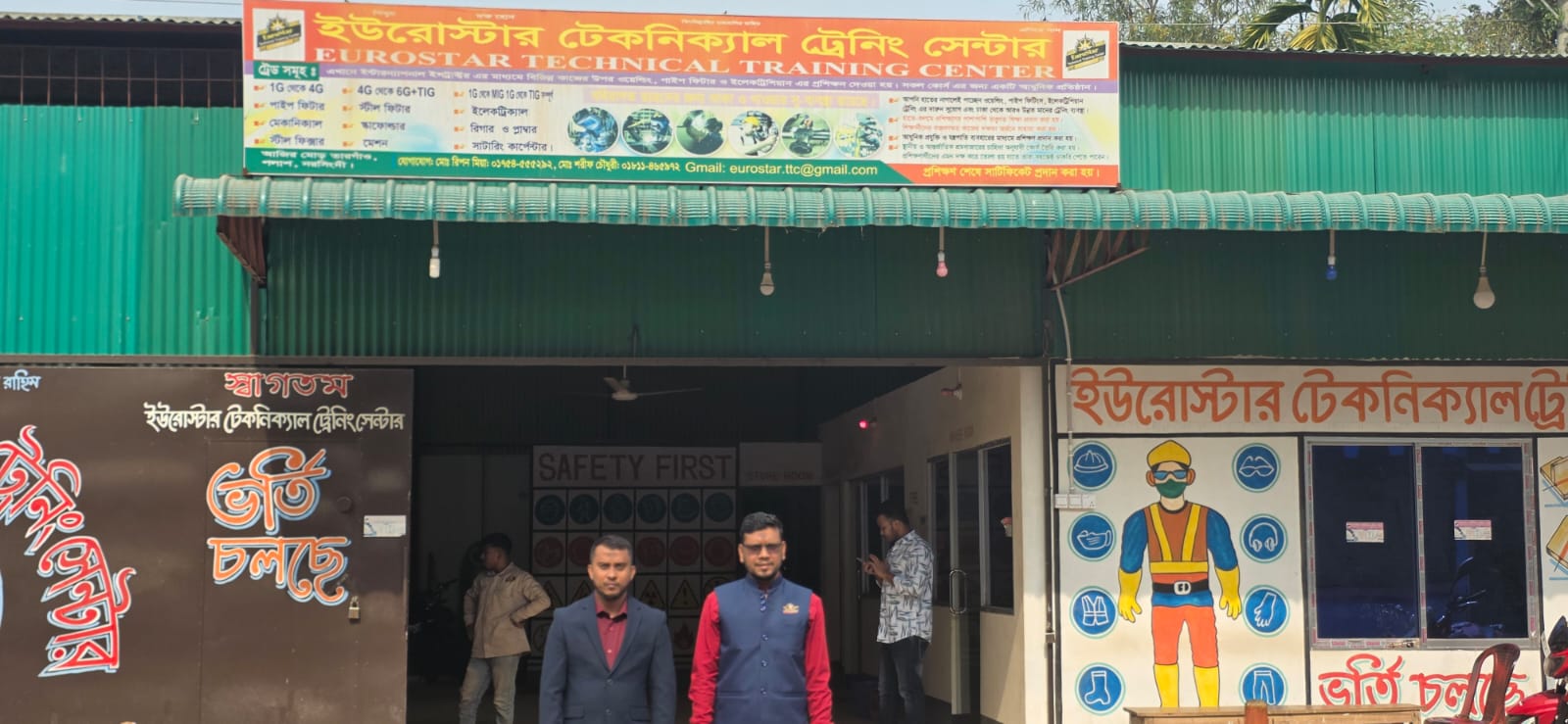
Inside Our Advanced Electrical Training Lab & Workshop
Take a virtual tour of our industrial-grade welding booths, live student practical sessions, and high-precision structural test projects.
Find answers to frequently asked questions about our courses, admission process, training methods, and student support.
Got questions about our Welding Certification Program? Find quick answers about course modules, lab requirements, and international job opportunities below.
Q1: How long is the Basic Electrical course?
The duration is 2–3 months, including theory and practical training.
Q2: What will I learn in this course?
You will learn house wiring, circuit installation, electrical theory, fault detection, motor wiring, and electrical safety.
Q3: Do I need experience to join?
No prior experience is required. Anyone aged 18+ with basic literacy can join.
Q4: Is this course practical-based?
Yes, it is a fully hands-on practical training program using real electrical tools and boards.
Q5: What job opportunities are available after completion?
You can work in construction sites, building maintenance, industrial electrical work, and overseas jobs.
Join our professional training programs and build the skills you need for a successful future.
We understand that you may have questions before joining our training programs. Below you will find answers to the most frequently asked questions to help you make the right decision and understand our services better.